
A torn ACL (anterior cruciate ligament) is one of the most common and frustrating injuries for active people. It can happen during a quick turn, sudden stop or awkward landing. Whether you’re an athlete or simply active, an ACL tear can make your knee feel unstable and keep you from the sports or activities you love.
At Burlington County Orthopaedic Specialists, we help patients recover strong and safely after ACL injuries. Here’s what you should know about the ACL reconstruction procedure and what to expect during recovery.
What Is the ACL and Why Is It So Important?
The ACL is one of four major ligaments that help stabilize your knee. It connects your thigh bone (femur) to your shin bone (tibia) and keeps your knee from sliding too far forward.
When the ACL tears, the knee can become weak or “give out”, especially during twisting or pivoting movements. Unfortunately, once it’s torn, the ACL doesn’t heal on its own. That’s where reconstruction surgery comes in.
What Happens During ACL Reconstruction?
During ACL reconstruction, the surgeon typically replaces the torn ligament with a new graft, which is a piece of healthy tissue that acts as a substitute ligament. Options include:
- AUTOGRAFT: a piece of tissue from your own body is used to recreate a new ACL. Usually the tissue is taken from the patellar tendon, quadriceps, or hamstring.
- ALLOGRAFT: donor tissue is instead used from another source to make the new ACL.
- BEAR PROCEDURE: a sponge-like scaffold is grafted onto the torn ACL to promote healing. This approach is suitable only for certain tears in younger people and is still under investigation.
The procedure typically involves:
- Small incisions around the knee
- Using an arthroscope, a tiny camera, to see inside the joint
- Removing the torn ACL tissue
- Placing the new graft and securing it with small screws or fixation devices
The surgery usually takes about 60–90 minutes, and the patient can go home the same day.
What to Expect After Surgery
Recovery takes time, but with dedication and the right plan, most patients regain strength and stability.
Week 1–2: Early Recovery
- Focus on reducing swelling and managing pain.
- Keep the knee elevated and use ice regularly.
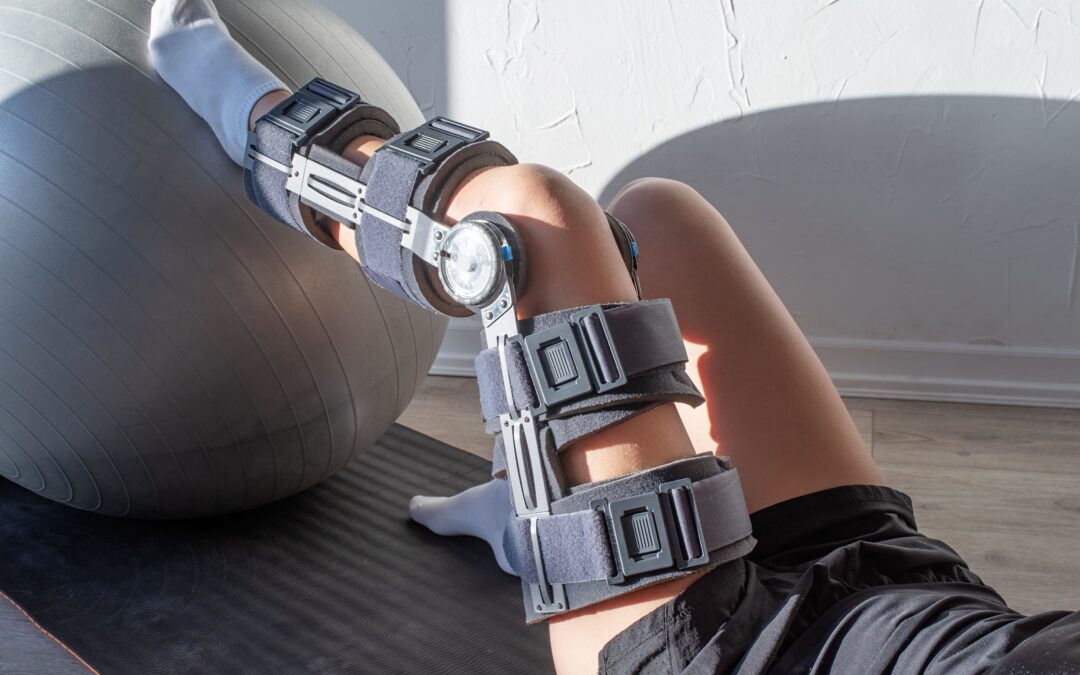
- You will wear a knee brace and use crutches to assist your walking.
- Physical therapy begins early. Gentle exercises help restore movement.
- You’ll start working on safely straightening and bending your knee.
Weeks 2–6: Regaining Motion
- Physical therapy is performed 3x/week with “homework” exercises between sessions.
- The goal is to restore the ability to fully bend and straighten the knee.
- The crutches are weaned, followed by the brace.
- Pain significantly improves, and day-to-day activities become easier.
Weeks 6–12: Building Strength
- Gradual strengthening of your quadriceps, hamstrings, and hips continues.
- Light activities like stationary biking or pool workouts may begin.
Months 3–9: Return to Activity
- Focus on balance, agility, and confidence in your knee.
- A return-to-sport program helps prepare you for running, jumping, and pivoting again.
- Most patients return to full sports around 9 months, depending on healing and progress.
Expert Tips for a Successful Recovery
- Follow your rehab plan. Physical therapy is crucial. Your exercises build the strength and flexibility your knee needs to stay stable.
- Don’t rush. Returning to sports too soon can increase the risk of re-injury. Let Dr. Bowers and your physical therapist guide your timeline.
- Focus on your whole body. Strong hips, core and opposite leg muscles all support your knee during recovery.
- Stay positive. Recovery can be challenging, but steady progress and a good attitude go a long way. ACL recovery should be viewed as “a Marathon, not a sprint!”
Getting Back in the Game
An ACL injury doesn’t have to end your athletic goals. With modern surgical techniques and a personalized rehabilitation plan, most people return to their favorite sports stronger than before.
Why Patients Trust Dr. Bowers
Dr. Bowers is fellowship-trained in ACL reconstruction and sports injury recovery, and has authored numerous studies pertaining to the ACL. She has had her ACL reconstructed, too! If you’ve suffered a knee injury or want to learn more from her about ACL reconstruction, contact us today.
Call Us
(856) 235-7080
Hours
Mon-Thurs 7:30 AM–5 PM
Fri 7:30 AM–4 PM