
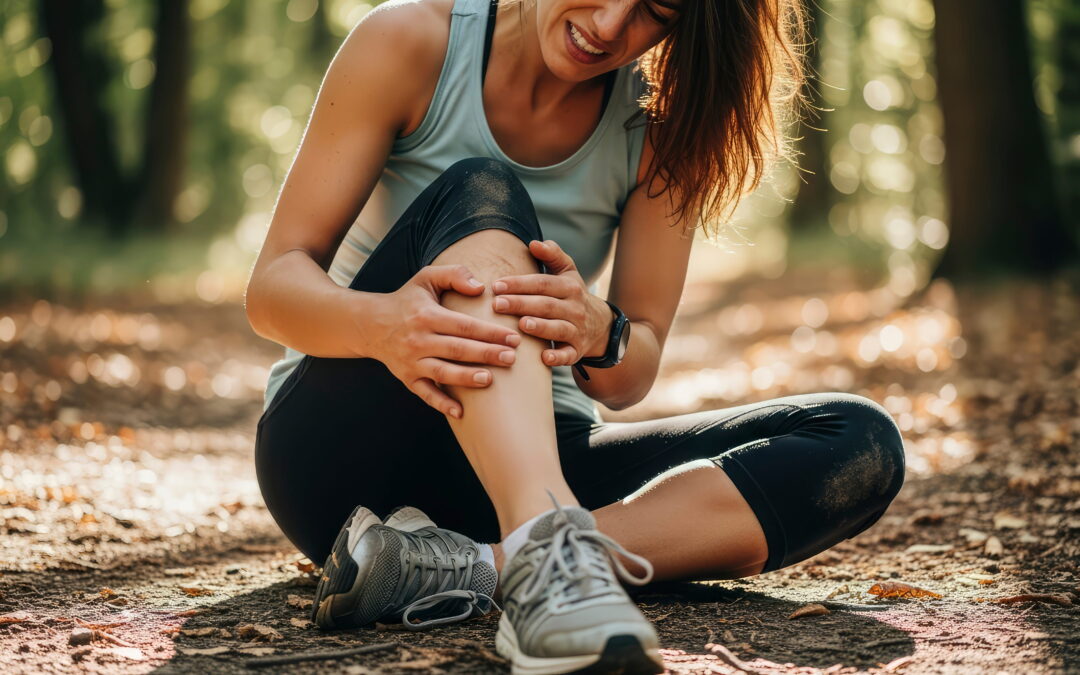
Whether you’re a student athlete, a weekend warrior or just love staying active, sports are a great way to keep your body and mind healthy. But even the best athletes can get hurt if they aren’t careful. At Burlington County Orthopaedic Specialists, we treat athletes of all ages, and we’ve noticed that most sports injuries fall into just a few common types.
What are the most common sports injuries? And how can I prevent them?
1. Sprains and Strains
What they are:
- A sprain happens when a ligament (the tissue that connects one bone to another) stretches or tears.
- A strain happens when a muscle or tendon (which connects muscles to bones) gets overstretched or torn.
Common causes: Sudden twists, falls or overuse, especially in sports like soccer, basketball and lacrosse.
Prevention tips:
- Warm up first. Light jogging or dynamic stretching helps your muscles get ready.
- Build strength and flexibility. Strong, flexible muscles are less likely to get injured.
- Use proper form. Learn the correct way to move and play, and don’t skip rest days!
2. Knee Injuries
What they are: Knee injuries include everything from mild strains to more serious ligament tears, like an ACL injury. These often happen when an athlete changes direction quickly, lands awkwardly or gets hit in the knee.
Common causes: Pivoting, jumping or sudden stops. Common in basketball, soccer and volleyball.
Prevention tips:
- Strengthen your legs and core. This keeps your knees stable and supported.
- Work on balance and coordination. Exercises like single-leg stands can help.
- Wear the right shoes. Supportive footwear can protect your knees from impact and twisting.
3. Shin Splints
What they are: Pain along the front of your lower leg (the shin bone) caused by overworking the muscles and bones.
Common causes: Running on hard surfaces, increasing training too quickly or wearing worn-out shoes.
Prevention tips:
- Increase training slowly. Don’t double your running distance overnight.
- Switch up surfaces. Run on grass or track instead of always on concrete.
- Monitor your mileage. The cushioning in a good pair of shoes wears down after about 300 miles of use. Be sure to change your shoes – even if they still “look good” – frequently enough to protect your bones from unnecessary stress.
- Stretch and ice. Stretching your calves and icing after workouts can reduce pain and swelling.
When should I see a doctor for a sports injury?
If pain, swelling or bruising doesn’t improve after a few days of rest, or if you can’t put weight on the injured area, it’s time to see an orthopedic specialist. The sooner an injury is checked out, the faster you can heal, and safely get back in the game.
Stay in the Game — Safely
At Burlington County Orthopaedic Specialists, our goal is to help athletes of all ages stay active, strong and injury-free. A little prevention goes a long way. Warm up, use good technique and listen to your body.
Get In Touch
If you or your child has a sports injury or wants advice on injury prevention, schedule an appointment with one of our specialists today.
Call Us
(856) 235-7080
Hours
Mon-Thurs 7:30 AM–5 PM
Fri 7:30 AM–4 PM